Nature
Ferretto is a historical area of Italy suitable for the cultivation of conifers, especially pines (Pinus Pinea, P. sylvestris, P. pinaster, P. halepensis), cypresses (Cupressus semperviens, C. arizonica) and cedars (Cedrus deodara, C. atlantica, C. libani); these specimens can be seen in the intensive cultivations around the castle.
The Ferretto woods are typical of Central Europe. They have a plain morphology and grow at altitudes between 260 and 325 m a.s.l. These habitats in Umbria are within the Southern Italian range limit and thus possess a high bio-geographical value.
Varieties of the oak (Quercus cerris, Quercus pubescens, see picture on the side) dominate in the woods. In our 7 hectare park you will see magnificent centuries-old specimens and also a path lined with these trees.


From trees to meadows. The low-shrub heathland of our prairies illustrates the countryside’s importance (see opposite picture) and plant life includes heather (Calluna vulgaris) with white and pink flowers which bloom from late summer to autumn. This species is rare in Italy and of particular phytogeographical interest.

The La Valle Oasis is worth a visit. During one year between 40 and 80 thousand migrating birds from Africa and Northern Europe pass through it. The “Legambiente” Association will guide you in observing the rare lake ecosystem. The other two small picturesque lakes, Chiusi and Montepulciano are important and whose valuable habitats are far away from the mass tourist circuits. They are still surrounded by uncontaminated nature, and are suitable for bathing. The lakes can be reached from the castle in half an hour by bicycle or ten minutes by car.
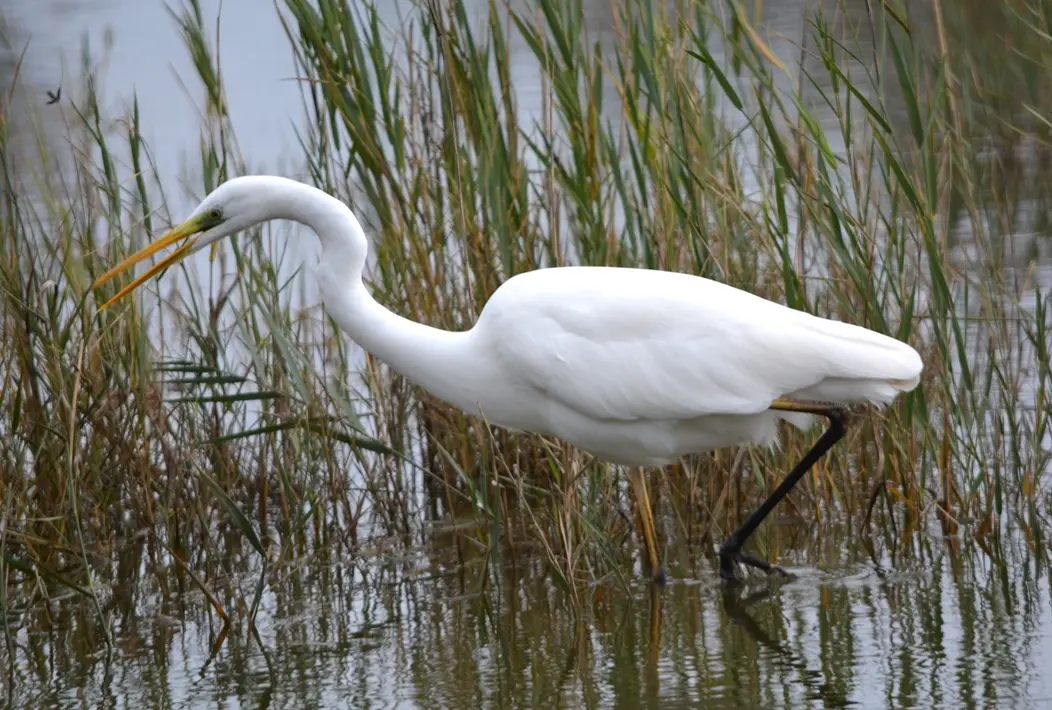
The woods surrounding Castel Brio are rich in wildlife, populated by the rare white deer once bred on our farm. Later some escaped and have now gone feral; they can be seen grazing at dawn and dusk. There are also wild boars, foxes and numerous bird’s nests; the Partridge (Perdix perdix) and the Hen Harrier (Circus cyaneus) can be observed while among the oaks in the pond the little Little Egret (Egretta garzetta) and the White Heron (Egretta alba), slender, elegant, austere with pure white plumage have been sighted.
Useful links: